
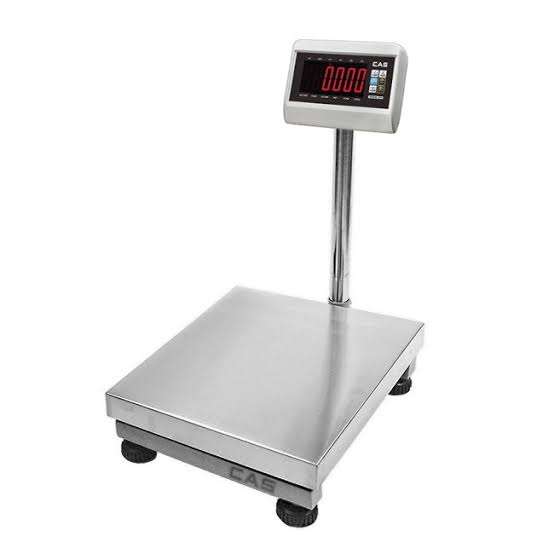
Accurate weighing is an important part of managing products, materials, and business resources. From small retail businesses to large industrial facilities, companies need dependable equipment to measure different items and maintain consistent operational records. Choosing the right weight scale machine UAE businesses require involves understanding the nature of their work, the materials they handle, and the level of measurement accuracy they need.
A suitable weighing machine does more than display numbers. It can support inventory planning, product preparation, quality inspections, packaging activities, and material distribution. Businesses that select equipment according to their actual requirements can improve daily workflows and reduce unnecessary measurement difficulties.
The Importance of Weighing Equipment in Modern Businesses
Businesses handle products at different stages, including receiving, storage, production, packaging, and delivery. Weight measurement provides useful information throughout these activities.
When materials arrive at a warehouse, employees may need to check their quantities before adding them to inventory. During production, weighing equipment can help measure ingredients and components. Before dispatch, businesses may also record package weights to support shipment preparation.
Having suitable weighing equipment available at the correct working location can make these activities more organized. It also helps employees follow consistent procedures instead of depending on estimates or manual calculations.
Different Weighing Machines for Different Requirements
The weighing equipment market includes several categories designed for specific applications. Understanding these options can help businesses avoid purchasing machines that do not match their requirements.
1. Digital Weighing Machines
Digital weighing machines use electronic sensors to measure weight and display the results on a screen. They are commonly used in retail shops, commercial kitchens, warehouses, and production areas.
Depending on the model, additional functions may include tare weighing, unit conversion, and rechargeable battery operation.
2. Platform and Floor Scales
Platform and floor scales are designed for products that require a larger weighing surface. They are useful for measuring cartons, sacks, containers, and heavier materials.
Businesses should consider platform dimensions and maximum capacity when selecting these machines.
3. Table Top Weighing Machines
Tabletop scales are compact options for counters and workstations. They are suitable for smaller products, components, ingredients, and packaged items.
Their space-efficient design makes them practical for businesses that perform frequent measurements in limited working areas.
4. Counting Weighing Machines
Counting scales combine weight measurement with quantity estimation. They calculate the number of similar items using their average unit weight.
These machines can help businesses manage screws, electronic components, spare parts, and other products that are difficult to count individually.
5. Industrial and Heavy-Duty Scales
Industrial weighing equipment is designed for demanding working environments. Depending on the model, it may be used for measuring production materials, machinery components, bulk products, and heavier loads.
Capacity, construction, environmental protection, and operating conditions should all be considered before selecting this equipment.
How Weighing Machines Support Different Business Activities
A weighing machine can become an important part of several departments within an organization.
Receiving and Inspection: When products arrive, employees can measure selected goods and compare their weights with internal purchasing or delivery records. This may help identify differences that require further checking.
Inventory Management: Weight records can support stock monitoring, especially when businesses handle materials purchased or distributed according to weight.
Production Planning: Manufacturing teams can measure ingredients and raw materials before starting production. Consistent measurement procedures help maintain control over material quantities.
Packaging Operations: Businesses can use weighing equipment to check product quantities and prepare packages according to established specifications.
Dispatch and Distribution: Weight information can support shipment preparation, internal documentation, and logistics planning.
Organizing weighing activities around these stages can help employees complete their tasks more efficiently.
Choosing Equipment According to Your Business Size
The requirements of a small shop are different from those of a large manufacturing facility. Therefore, businesses should select weighing equipment based on their actual operations rather than purchasing the most expensive or highest-capacity machine.
Small businesses may need compact digital or tabletop machines for regular product measurements. Medium-sized warehouses may require platform scales for packages and storage materials. Larger industrial facilities may need heavy-duty equipment, vehicle weighing systems, or specialized installations.
Future requirements should also be considered. A growing business may eventually handle heavier products, introduce new packaging procedures, or increase its production capacity. Selecting equipment with suitable specifications can help avoid frequent replacements.
Important Features to Evaluate Before Purchasing
A weighing machine should match the working conditions and measurement requirements of the business. The following factors deserve attention before making a purchase:
- Measurement capacity: Identify the maximum weight the equipment will regularly handle.
- Accuracy and readability: Check the smallest measurement increment and the accuracy required for the application.
- Display visibility: Choose a display that employees can read comfortably from their normal working positions.
- Construction and durability: Consider the platform and body material according to the expected workload.
- Working environment: Review exposure to dust, moisture, vibration, and temperature changes.
- Power supply: Determine whether battery operation, rechargeable power, or a mains connection is more suitable.
- Additional functions: Evaluate whether counting, tare, printing, or computer connectivity is necessary.
Businesses should also review the manufacturer’s instructions and confirm the availability of relevant product documentation.
The Value of Consistent Weighing Procedures
Purchasing suitable equipment is only one part of achieving reliable measurements. Employees also need consistent operating procedures.
A weighing machine should be placed on a stable and appropriate surface. Before taking measurements, operators should check that the platform is clean and that the machine is ready for use.
Products should be positioned correctly without exceeding the recommended capacity. Containers may need to be accounted for through the tare function when measuring net material weight.
Businesses can also establish simple recordkeeping procedures for important weighing activities. Recording relevant measurements helps managers review material usage, monitor stock, and investigate unusual differences.
Regular employee training can further improve equipment handling and reduce avoidable operating mistakes.
Maintenance and Long-Term Equipment Value
Weighing machines require appropriate care to maintain their performance. Dust, moisture, overloading, and improper handling may affect equipment over time.
Businesses should follow the manufacturer’s cleaning and maintenance recommendations. Periodic inspection of the weighing platform, display, cables, and visible components can help identify potential problems.
Calibration is another important consideration. It helps verify whether a weighing instrument provides measurements within the required limits. The appropriate calibration and verification schedule depends on the equipment, its usage, and the intended application.
For machines used in regulated commercial transactions in the UAE, businesses should also confirm the applicable legal metrology and verification requirements.
Common Purchasing Mistakes Businesses Should Avoid
One frequent mistake is selecting equipment based only on price. A low-cost machine may not provide the capacity, readability, or construction required for regular business use.
Another mistake is overlooking the physical dimensions of the weighing platform. Even when a machine has sufficient capacity, its surface may not comfortably accommodate the products being measured.
Businesses should also avoid paying for unnecessary functions. Advanced connectivity and automation features may be valuable in certain facilities, but they are not essential for every application.
The best purchasing decision balances equipment specifications, operational requirements, maintenance considerations, and overall value.
Why Consider Al Falah Scales?
Choosing an appropriate weighing equipment provider is an important step for businesses seeking dependable measurement solutions. Al Falah Scales is a relevant option for customers exploring commercial and industrial weighing requirements in the UAE.
Before selecting a machine, customers should identify the products they need to weigh, their expected load range, required measurement accuracy, and workplace conditions. Discussing these details with Al Falah Scales can help clarify available equipment options and compare relevant specifications.
A practical weighing solution should support the daily activities of the business while matching its technical and operational requirements. Careful selection can contribute to more organized weighing procedures and better resource management.
Conclusion
Weighing equipment plays an important role in retail, manufacturing, logistics, packaging, and industrial operations. Selecting the right machine requires careful consideration of capacity, readability, construction, operating environment, and maintenance needs. Businesses comparing a weight scale machine in UAE should focus on their actual working requirements rather than choosing equipment based only on price or appearance. A suitable weighing solution can support consistent measurements, improve operational organization, and provide long-term value.
Frequently Asked Questions
1. Which weight scale machine is suitable for a small business?
Compact digital and tabletop weighing machines are common choices for small businesses. The appropriate model depends on the products being weighed, required capacity, and measurement precision.
2. What is the difference between a digital scale and an industrial weighing machine?
A digital scale describes equipment that displays measurements electronically, while an industrial weighing machine is designed for demanding commercial or industrial applications. Many industrial machines also use digital displays.
3. How can businesses maintain accurate weighing results?
Businesses should position equipment on stable surfaces, avoid overloading, follow operating instructions, keep weighing platforms clean, and arrange appropriate calibration and verification.
Sorry, there were no items that matched your criteria.