
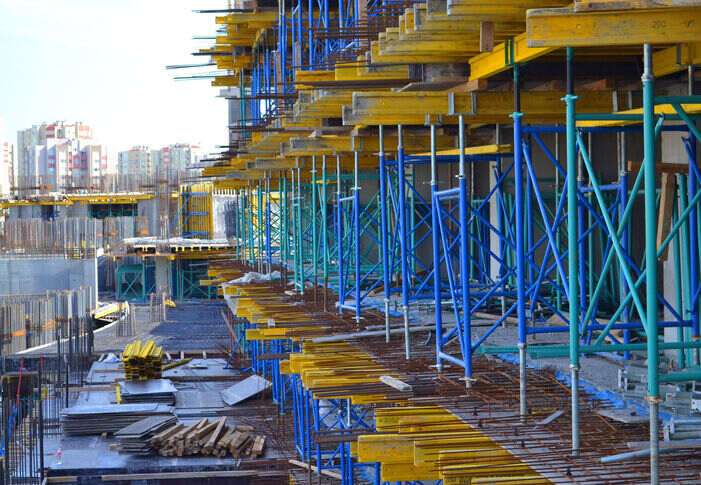
A concise overview of Sheffield formwork practices, materials, and industry standards shaping construction projects across the United Kingdom today now.
Sheffield formwork plays a crucial role in the UK construction sector, providing the temporary structures required to shape concrete elements. The region’s long‑standing engineering heritage has fostered specialised techniques that balance speed, safety and cost efficiency. Modern Sheffield formwork systems often incorporate modular panels made from high‑strength timber, steel or engineered plastics, allowing rapid assembly and disassembly on site. Designers select the appropriate material based on load requirements, environmental exposure and the intended finish of the concrete surface.
Key considerations include accurate measurement, proper bracing and compliance with British Standards such as BS 5975. Adequate training for operatives ensures that the formwork is erected correctly, reducing the risk of collapse and subsequent delays. In addition, the use of reusable components aligns with sustainability goals, minimising waste and lowering the carbon footprint of a project.
Recent advancements see digital planning tools integrated with Sheffield formwork processes, improving precision and enabling real‑time adjustments. Collaborative planning between architects, engineers and formwork contractors further enhances efficiency, ensuring that the temporary structures support the permanent build without compromising quality.
Overall, Sheffield formwork continues to evolve, combining traditional craftsmanship with innovative technologies, delivering reliable support for diverse construction projects throughout the United Kingdom today across regions.